


Studies
Acute pain treatment – large unmet need, pediatrics receives least…mainly due to inadequate solutions
Published: 18. March 2024
More than 20 million children annually, alone in Europe, are subject to acute pain at hospitals or ambulances from accidents, incidents or from medical procedures which require some form of pain management. Today, there is a lack of options for children which result in very low treatment rates, and treatment rates are much lower for children compared to adults – several studies have found that treatment rates are low, as low as 30-40%.
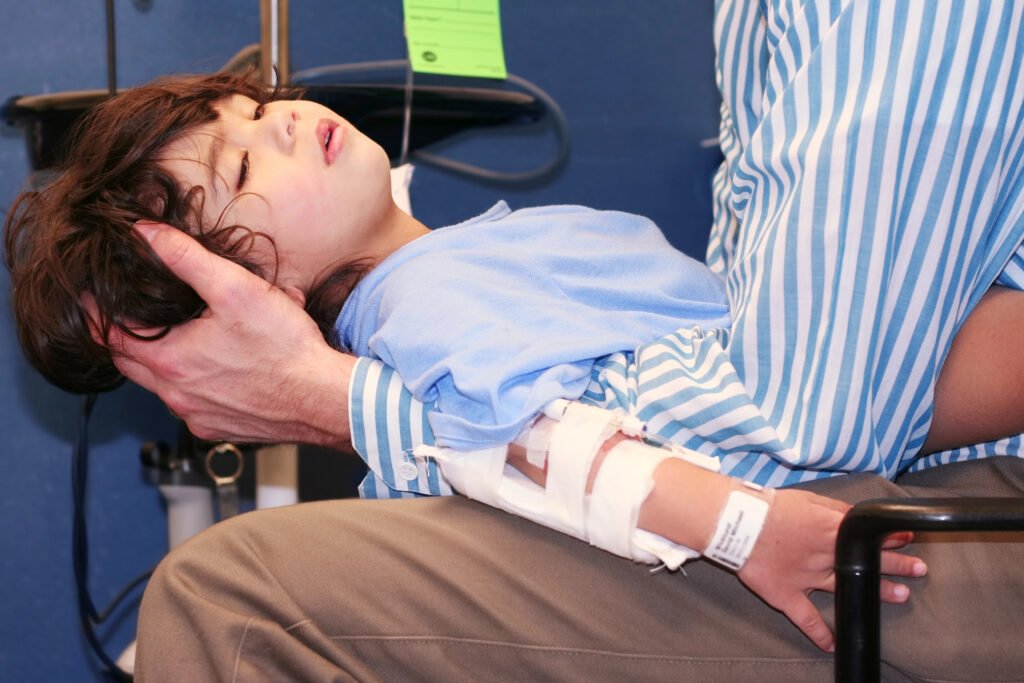
Research indicates a consistent underuse of analgesics in children, with doctors showing reluctance towards strong analgesics.
Up to 79% of Scandinavian emergency departments use physical restraint during painful procedures, pointing to a lack of appropriate pain management guidelines.
Intranasal administration has emerged as a promising solution, significantly increasing the likelihood of effective pain reduction in children.
Read the link for a short update and reminder for why Cessatech will make a significant impact… [Read More]
Treating children is not just like treating small adults
- Off-label prescriptions: Many treatments for children are off-label, lacking pediatric-specific trials and formulations.
- Dosage and exposure: The difference in anatomy and physiological functions, like nasal development, gastrointestinal motility, and pH, impact drug absorption, distribution, metabolism, and excretion.
- Different responses: Age-related changes influence drug pharmacokinetics, requiring age-specific dosages.
- Pharmacovigilance: The lack of reliable data in the pediatric population leads to specific challenges, including limited safety data and issues with dosing.
These aspects underscore the need for pediatric- specific research and development in pharmaceuticals.
References: (1) Mahmood, I. (2015). Eur. J. Drug Metab. Pharmacokinet., 40, 53; (2) Garg, U. et al. (2021). Eur.
J. Drug Metab. Pharmacokinet; (3) Lim, S.Y. & Pettit, R. (2019). Am. J. Health-Syst. Pharm., 76(19), 1472; (4) Calvier, E.A.M. et al. (2019). AAPS J., 21; (5) Merchant, H.A. et al. (2016). Int. J. Pharm., 512(2), 382; (6) Neyro, V. et al. (2018). Therapie, 73(2), 157; (7) Zimmerman, K. et al. (2019). Am. J. Perinatol., 36, S18; (8) Verrotti, A. et al. (2016). Expert Opin. Drug Metab. Toxicol., 12, 1393

Evidence to Support combining low does of Ketamine and Sufentanil for acute pain Management
Published: 25. August 2023
Based on new findings in a 2023 meta-analysis by Fjendbo Galili et al., which supports the previous 2016 meta-analysis by Michelet et al., there is now further evidence to support combining low doses of ketamine and opioids, such as sufentanil, in an intranasal spray for acute pain management:
- The 2016 Michelet meta-analysis did not find a significant opioid-sparing effect of ketamine in children but was likely underpowered. It suggested further studies were needed with at least 188 more patients to draw conclusions.
- The new 2023 meta-analysis by Fjendbo Galili et al. included more studies and found adjuvant subanesthetic ketamine does provide a significant reduction in pain scores at 60 minutes compared to opioids alone. It also reduces opioid requirements without increasing side effects.
- Both reviews note ketamine’s synergistic effects with opioids for acute pain and its ability to counter opioid tolerance. The 2016 analysis highlighted ketamine’s lack of increased adverse events like nausea, vomiting or hallucinations.
- Previous evidence already supported intranasal delivery for rapid analgesic onset. Sufentanil is suitable for intranasal use.
- By combining intranasal ketamine and sufentanil in low doses, it may be possible to provide effective acute pain relief while avoiding side effects and reducing opioid needs compared to monotherapy.
In summary, the accumulating evidence confirms ketamine’s utility as a low-dose adjuvant to opioids like sufentanil for acute pain when given intranasally. The updated 2023 meta-analysis provides further support that this combination can improve pain relief and reduce opioid requirements without increasing adverse effects. Additional randomized controlled trials are still needed to confirm the optimal intranasal ketamine-sufentanil doses, stay tuned for updates on Cessatech’s pipeline.
References:
Michelet, D., Hilly, J., Skhiri, A. et al., 2016. Opioid-Sparing Effect of Ketamine in Children: A Meta-Analysis and Trial Sequential Analysis of Published Studies. Pediatric Drugs, 18(5), pp.343–354. Link to article
Fjendbo Galili, S., Nikolajsen, L. and Papadomanolakis-Pakis, N., 2023. Subanaesthetic single-dose ketamine as an adjunct to opioid analgesics for acute pain management in the emergency department: a systematic review and meta-analysis. BMJ Open, 13(3), p.e066444.
Acute pain treatment – large unmet need, pediatrics receives least…mainly due to inadequate solutions
Published: 15. March 2022
A systematic review of 31 studies with off-label prescription rates confirms the continued off-label use of medication in children*).
This is especially the case for children during anesthesia where medication lack EMEA or FDA labeling for pediatric use. Their medication is often neither tested, documented nor approved, and the off-label use of these drugs is an accepted practice considered superior to current alternative: Withholding needed medications!
As a result, health care providers are left with the challenge of prescribing medications guided by clinical experience rather than data from controlled clinical trials. Children deserve evidenced-based and properly tested medication, just as their parents.